


Table of Contents
Get Custom eCommerce Fulfillment Service
Book a Meeting
How to Calculate Shipping Cost
Time: Jul 20,2023 Author: SFC Source: www.sendfromchina.com
Shipping costs play a crucial role in business and personal shipping decisions. Whether you're an e-commerce entrepreneur or an individual sending a package, understanding how to calculate shipping costs accurately is essential for budgeting and making informed choices. In this article, we will provide a comprehensive guide on how to calculate shipping costs, taking into account various factors that influence the cost. Let's dive in!
When shipping packages, it's important to have a clear understanding of the associated costs. Calculating shipping costs accurately allows you to set appropriate prices, manage expenses effectively, and provide transparent shipping rates to your customers. Several factors affect shipping costs, including weight, dimensions, shipping method, distance, and additional services. By considering these factors and using proper calculations, you can ensure accurate shipping cost estimates and avoid unexpected expenses.
1.Understanding Shipping Zones
Shipping carriers divide destinations into shipping zones, which are used to determine shipping costs based on the distance between the origin and destination. The farther the distance, the higher the shipping cost. Each carrier may have its own zone system, so it's important to familiarize yourself with the specific zones of the carrier you are using. Typically, shipping zones range from Zone 1 (closest) to Zone 8 or more (farthest).
To determine the shipping zone for a specific destination, you can refer to the carrier's zone map or use their online tools. Understanding shipping zones is crucial for accurate cost calculation, as it allows you to determine the appropriate rate based on the distance between the sender and receiver.
To determine the shipping zone for a specific destination, you can refer to the carrier's zone map or use their online tools. Understanding shipping zones is crucial for accurate cost calculation, as it allows you to determine the appropriate rate based on the distance between the sender and receiver.
2.Shipping Cost Calculator for USPS, UPS, and FedEx
To simplify shipping cost calculation, major carriers like USPS, UPS, and FedEx offer shipping cost calculators on their websites. These calculators allow users to enter package details such as weight, dimensions, origin, and destination. The tool then provides an estimated shipping cost based on the selected shipping method.
Shipping cost calculators provided by carriers simplify the process of estimating shipping costs. These online tools allow users to enter package details and obtain real-time shipping quotes. Some popular shipping cost calculators include:
USPS Rate Calculator: Provides shipping cost estimates for domestic and international shipments.
UPS Shipping Calculator: Calculates shipping costs for UPS services based on package details and shipping zones.
FedEx Rate Calculator: Estimates shipping costs for FedEx services, considering factors like weight, dimensions, and destination.
Using these calculators ensures accurate cost estimation and helps in making informed decisions when choosing a carrier.
Shipping cost calculators provided by carriers simplify the process of estimating shipping costs. These online tools allow users to enter package details and obtain real-time shipping quotes. Some popular shipping cost calculators include:
USPS Rate Calculator: Provides shipping cost estimates for domestic and international shipments.
UPS Shipping Calculator: Calculates shipping costs for UPS services based on package details and shipping zones.
FedEx Rate Calculator: Estimates shipping costs for FedEx services, considering factors like weight, dimensions, and destination.
Using these calculators ensures accurate cost estimation and helps in making informed decisions when choosing a carrier.
3.Weight and Dimensions
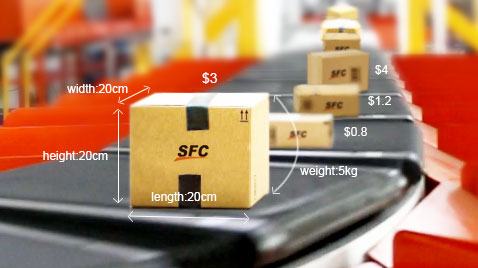
Accurate weight and dimension measurements are essential for calculating shipping costs. Shipping carriers use weight as a key factor in determining shipping fees. Incorrect weight measurements can result in underestimating or overestimating the shipping cost, leading to unexpected expenses or customer dissatisfaction.
To measure weight accurately, use a reliable scale suitable for the weight range of your packages. Ensure the scale is calibrated correctly to provide accurate readings. Additionally, accurately measure the dimensions of your package, including length, width, and height. Use a measuring tape or ruler to obtain precise measurements.
Remember that carriers may apply dimensional weight calculations for large or bulky packages. Dimensional weight considers the package's volume instead of its actual weight. If the dimensional weight exceeds the actual weight, the carrier may charge based on the higher value. Understanding how dimensional weight works is crucial to avoid unexpected cost increases.
To measure weight accurately, use a reliable scale suitable for the weight range of your packages. Ensure the scale is calibrated correctly to provide accurate readings. Additionally, accurately measure the dimensions of your package, including length, width, and height. Use a measuring tape or ruler to obtain precise measurements.
Remember that carriers may apply dimensional weight calculations for large or bulky packages. Dimensional weight considers the package's volume instead of its actual weight. If the dimensional weight exceeds the actual weight, the carrier may charge based on the higher value. Understanding how dimensional weight works is crucial to avoid unexpected cost increases.
4.Packaging Considerations

Packaging plays a significant role in shipping costs. Proper packaging not only protects the contents of your package but also affects the size, weight, and fragility of the shipment. By optimizing your packaging, you can reduce costs and minimize the risk of damage during transit.
To optimize packaging and reduce costs:
Use appropriately sized boxes or containers that fit the contents snugly. Avoid using excessive packaging material that adds unnecessary weight or increases the dimensions of the package.
Consider using packaging materials such as bubble wrap, packing peanuts, or air cushions to protect fragile items. Secure them properly to prevent movement during transit.
Remove any unnecessary packaging, such as excessive padding or empty space, that adds weight without providing additional protection.
Utilize flat-rate shipping boxes or envelopes for heavier items, as they can offer cost-saving benefits for specific shipping services.
Optimizing packaging not only helps reduce shipping costs but also minimizes the impact on the environment. Efficient use of materials contributes to sustainability efforts and reduces waste.
To optimize packaging and reduce costs:
Use appropriately sized boxes or containers that fit the contents snugly. Avoid using excessive packaging material that adds unnecessary weight or increases the dimensions of the package.
Consider using packaging materials such as bubble wrap, packing peanuts, or air cushions to protect fragile items. Secure them properly to prevent movement during transit.
Remove any unnecessary packaging, such as excessive padding or empty space, that adds weight without providing additional protection.
Utilize flat-rate shipping boxes or envelopes for heavier items, as they can offer cost-saving benefits for specific shipping services.
Optimizing packaging not only helps reduce shipping costs but also minimizes the impact on the environment. Efficient use of materials contributes to sustainability efforts and reduces waste.
5.Shipping Method Selection
Choosing the right shipping method is crucial for cost efficiency and timely delivery. Different shipping methods have varying costs and delivery times. Factors to consider when selecting a shipping method include the urgency of the delivery, the destination's proximity, the package's weight and dimensions, and the level of service required.
Common shipping methods include:
Standard Ground: Suitable for non-urgent shipments within a specific region or country.
Expedited: Ideal for time-sensitive shipments that require faster delivery.
Overnight: The fastest shipping method for urgent deliveries.
International: Specifically designed for shipments outside the country of origin.
Consider the unique requirements of your shipment and select the shipping method that balances cost and speed. It's important to communicate the chosen shipping method clearly to customers and provide estimated delivery times to manage expectations.
Common shipping methods include:
Standard Ground: Suitable for non-urgent shipments within a specific region or country.
Expedited: Ideal for time-sensitive shipments that require faster delivery.
Overnight: The fastest shipping method for urgent deliveries.
International: Specifically designed for shipments outside the country of origin.
Consider the unique requirements of your shipment and select the shipping method that balances cost and speed. It's important to communicate the chosen shipping method clearly to customers and provide estimated delivery times to manage expectations.

6.Negotiating Shipping Rates
If you regularly ship large volumes or have a long-term shipping contract with a carrier, you may have the opportunity to negotiate favorable shipping rates. Negotiating lower rates can significantly reduce your shipping costs and increase your profitability. Consider the following tips for effective rate negotiation:
Highlight your shipment volume: Emphasize the volume of your shipments to the carrier. The higher the volume, the more negotiating power you have.
Commit to long-term contracts: Carriers often offer better rates for businesses that commit to longer-term contracts. Evaluate the feasibility of a long-term partnership to secure cost advantages.
Obtain quotes from multiple carriers: Request quotes from multiple carriers and use them as leverage during negotiations. Demonstrating that you are actively exploring options can motivate carriers to offer more competitive rates.
Explore volume discounts: Inquire about volume-based discounts. Carriers may be willing to lower their rates based on the quantity of shipments you provide.
Consider value-added services: Discuss additional services that carriers can provide, such as pickup services or online tracking, as part of the negotiated rate.
Effective negotiation can lead to significant cost savings over time. However, it's important to strike a balance between cost and service quality to ensure customer satisfaction.
Highlight your shipment volume: Emphasize the volume of your shipments to the carrier. The higher the volume, the more negotiating power you have.
Commit to long-term contracts: Carriers often offer better rates for businesses that commit to longer-term contracts. Evaluate the feasibility of a long-term partnership to secure cost advantages.
Obtain quotes from multiple carriers: Request quotes from multiple carriers and use them as leverage during negotiations. Demonstrating that you are actively exploring options can motivate carriers to offer more competitive rates.
Explore volume discounts: Inquire about volume-based discounts. Carriers may be willing to lower their rates based on the quantity of shipments you provide.
Consider value-added services: Discuss additional services that carriers can provide, such as pickup services or online tracking, as part of the negotiated rate.
Effective negotiation can lead to significant cost savings over time. However, it's important to strike a balance between cost and service quality to ensure customer satisfaction.
7.Considerations for E-commerce Businesses

For e-commerce businesses, shipping costs play a critical role in pricing strategies and customer satisfaction. Here are some considerations for managing shipping costs effectively:
Factor shipping costs into pricing: When setting prices for your products, incorporate shipping costs into the overall price. Consider offering free shipping for certain order values to incentivize larger purchases while covering the shipping expenses.
Explore shipping rate discounts: E-commerce platforms often partner with carriers to offer discounted shipping rates. Take advantage of these partnerships to reduce your shipping costs.
Analyze shipping data: Regularly analyze shipping data to identify trends, cost outliers, and areas for optimization. Understand the impact of shipping costs on your business's bottom line and take steps to reduce unnecessary expenses.
Leverage packaging optimization: Optimize your packaging materials and dimensions to reduce weight and dimensions, potentially leading to lower shipping costs. However, ensure that packaging optimization doesn't compromise the safety and integrity of your products.
Offer multiple shipping options: Provide your customers with various shipping options, such as standard, expedited, or international shipping. This allows customers to choose the option that best fits their needs and budget.
By strategically managing shipping costs, e-commerce businesses can maintain competitive pricing, improve customer satisfaction, and maximize profitability.
Factor shipping costs into pricing: When setting prices for your products, incorporate shipping costs into the overall price. Consider offering free shipping for certain order values to incentivize larger purchases while covering the shipping expenses.
Explore shipping rate discounts: E-commerce platforms often partner with carriers to offer discounted shipping rates. Take advantage of these partnerships to reduce your shipping costs.
Analyze shipping data: Regularly analyze shipping data to identify trends, cost outliers, and areas for optimization. Understand the impact of shipping costs on your business's bottom line and take steps to reduce unnecessary expenses.
Leverage packaging optimization: Optimize your packaging materials and dimensions to reduce weight and dimensions, potentially leading to lower shipping costs. However, ensure that packaging optimization doesn't compromise the safety and integrity of your products.
Offer multiple shipping options: Provide your customers with various shipping options, such as standard, expedited, or international shipping. This allows customers to choose the option that best fits their needs and budget.
By strategically managing shipping costs, e-commerce businesses can maintain competitive pricing, improve customer satisfaction, and maximize profitability.
8.Managing Returns and Exchanges
Returns and exchanges are an integral part of many businesses, and they can impact shipping costs. When customers initiate returns or exchanges, shipping costs associated with the process can affect your profitability. Consider the following strategies for managing return shipping costs:
Clear return policies: Clearly communicate your return policies to customers to minimize return shipping costs. Provide detailed instructions and ensure customers understand any associated fees or requirements.
Consider return shipping labels: Offer return shipping labels to customers, but only charge them if they choose to use the label. This approach simplifies the return process and helps manage return shipping costs effectively.
Evaluate return shipping options: Assess different return shipping options, such as pre-negotiated return shipping rates or return package consolidation. These options can reduce return shipping costs, especially for high-volume businesses.
Efficient management of returns and exchanges can help control shipping costs while providing excellent customer service.
Clear return policies: Clearly communicate your return policies to customers to minimize return shipping costs. Provide detailed instructions and ensure customers understand any associated fees or requirements.
Consider return shipping labels: Offer return shipping labels to customers, but only charge them if they choose to use the label. This approach simplifies the return process and helps manage return shipping costs effectively.
Evaluate return shipping options: Assess different return shipping options, such as pre-negotiated return shipping rates or return package consolidation. These options can reduce return shipping costs, especially for high-volume businesses.
Efficient management of returns and exchanges can help control shipping costs while providing excellent customer service.
9.Optimizing Shipping Cost Efficiency
Optimizing shipping cost efficiency involves implementing strategies that reduce costs without compromising service quality. Consider the following techniques:
Bulk shipping: Consolidate multiple orders into a single shipment whenever possible. This approach can reduce per-package shipping costs, especially for businesses with high order volumes.
Package consolidation: If you frequently ship multiple packages to the same destination, consider consolidating them into a single larger package. This approach can optimize shipping costs by reducing the number of shipments and associated fees.
Negotiate carrier surcharges: Review carrier surcharges and negotiate them based on your shipping volume and needs. By understanding surcharges and addressing them proactively, you can minimize unnecessary costs.
Optimize packaging materials: Continuously evaluate your packaging materials to identify lighter, more cost-effective alternatives. Properly designed and optimized packaging can reduce weight and dimensional charges.
Consider regional carriers: Explore regional carriers for specific regions or countries. Regional carriers often provide competitive rates for localized shipping, especially for smaller businesses.
Implementing these optimization techniques can lead to substantial cost savings and increased operational efficiency in your shipping processes.
Bulk shipping: Consolidate multiple orders into a single shipment whenever possible. This approach can reduce per-package shipping costs, especially for businesses with high order volumes.
Package consolidation: If you frequently ship multiple packages to the same destination, consider consolidating them into a single larger package. This approach can optimize shipping costs by reducing the number of shipments and associated fees.
Negotiate carrier surcharges: Review carrier surcharges and negotiate them based on your shipping volume and needs. By understanding surcharges and addressing them proactively, you can minimize unnecessary costs.
Optimize packaging materials: Continuously evaluate your packaging materials to identify lighter, more cost-effective alternatives. Properly designed and optimized packaging can reduce weight and dimensional charges.
Consider regional carriers: Explore regional carriers for specific regions or countries. Regional carriers often provide competitive rates for localized shipping, especially for smaller businesses.
Implementing these optimization techniques can lead to substantial cost savings and increased operational efficiency in your shipping processes.
10.Importance of Tracking and Insurance
Tracking shipments and having appropriate insurance coverage are crucial aspects of shipping. Tracking allows you and your customers to monitor the progress of a shipment, ensuring transparency and providing peace of mind. Many carriers offer tracking services that provide real-time updates on package location and estimated delivery times.
Insurance coverage is essential to protect your shipments from loss or damage during transit. While carriers may offer some basic liability coverage, it's advisable to consider additional insurance for valuable or fragile items. Consult with your chosen carrier to understand their insurance options and select coverage that aligns with your shipping needs.
By leveraging tracking services and adequate insurance coverage, you can enhance the customer experience, mitigate potential risks, and ensure the successful delivery of your shipments.
Insurance coverage is essential to protect your shipments from loss or damage during transit. While carriers may offer some basic liability coverage, it's advisable to consider additional insurance for valuable or fragile items. Consult with your chosen carrier to understand their insurance options and select coverage that aligns with your shipping needs.
By leveraging tracking services and adequate insurance coverage, you can enhance the customer experience, mitigate potential risks, and ensure the successful delivery of your shipments.
11.Conclusion
Calculating shipping costs accurately is essential for businesses and individuals involved in shipping. Understanding the factors that influence shipping costs, such as weight, dimensions, shipping method, distance, and additional services, enables you to make informed decisions and manage expenses effectively. By following the guidelines in this comprehensive guide, you can calculate shipping costs accurately, negotiate favorable rates, optimize packaging, and reduce unnecessary expenses. As a result, you can maintain cost efficiency, provide transparent pricing to customers, and enhance overall shipping operations.
FAQs
1.How can I reduce international shipping costs?
To reduce international shipping costs, consider optimizing your packaging to minimize weight and dimensions. Additionally, explore shipping options offered by different carriers, negotiate rates based on your shipping volume, and consider utilizing consolidation services for multiple shipments to the same destination.2.Are there any additional fees or surcharges I should be aware of when calculating shipping costs?
Yes, carriers may apply additional fees or surcharges for specific services or circumstances. These can include fuel surcharges, residential delivery fees, address correction fees, and special handling fees. It's important to review the carrier's terms and conditions or consult with their customer service representatives to understand any potential additional charges.3.Can I estimate shipping costs without knowing the exact weight and dimensions of my package?
While it's ideal to have accurate weight and dimension measurements for precise cost estimation, you can still get an approximate shipping cost by using average weight and dimension values. However, keep in mind that this may result in slight variations in the final cost when the package is weighed and measured accurately by the carrier.4.How can I track my shipments and provide tracking information to my customers?
Most carriers offer tracking services that provide tracking numbers or codes for each shipment. You can enter these tracking numbers on the carrier's website or use tracking integration tools provided by shipping platforms. This allows you to monitor the shipment's progress and provide tracking information to your customers for increased transparency.5.What should I do if my package is lost, damaged, or delayed during shipping?
In the unfortunate event of a lost, damaged, or delayed package, you should immediately contact the carrier's customer service and provide them with relevant details, such as the tracking number and a description of the issue. Carriers typically have procedures in place to address these situations and initiate the necessary investigation or claims process. It's important to have appropriate insurance coverage to protect your shipments in case of loss or damage. Post Views:20127
 TAGS:
Order Fulfillment
TAGS:
Order Fulfillment
Copyright statement: The copyright of this article belongs to the original author. Please indicate the source for reprinting.
Previous Post
Crowdfunding Fulfillment: How the Emerging Supply Chain Technology impacts
Next Post
TAGS
Hot Research
Get Custom eCommerce Fulfillment Service
Book a Meeting
Get a Custom China Fulfillment Solution with FREE Storage for 30 Days
Want to know about our services, fees or receive a custom quote?
 Want to know about our services, fees or receive a custom quote?
Please fill out the form on the right and we will get back to you within a business day.
The more information you provide, the better our initial response will be.