


Table of Contents
Table of Contents
In today’s hyper-competitive ecommerce landscape, growth rarely comes from a single sales channel. Whether you’re exporting from China, supplying globally, or scaling within domestic markets, deploying a multichannel distribution system is often the strategic lever that moves your business from “good” to “great.”
In this post, I'll walk you through what multichannel distribution is, why it matters, how to build it (step by step), pitfalls to watch for, and how SendFromChina (SFC) can play a central role in making it seamless.
1. What Is a Multichannel Distribution System?
A multichannel distribution system is a strategy whereby a company sells and delivers its products via more than one channel simultaneously. The word “channel” here refers to any route through which customers can purchase or receive your product. Channels might include:
Your own direct-to-consumer (D2C) ecommerce websiteThird-party marketplaces (Amazon, eBay, AliExpress, Lazada, etc.)
Social commerce (shops on Instagram, TikTok, Facebook)
Offline retail stores or partner boutiques
Wholesale/bulk B2B customers
Distributors or resellers
Because these various channels can coexist, your distribution becomes “multichannel.” The goal is to meet customers where they prefer to shop, rather than forcing them into a single route.
It’s useful to distinguish multichannel from omnichannel: in a multichannel strategy, each channel often operates semi-independently—inventory, pricing, marketing may differ. In an omnichannel model, by contrast, the channels are fully integrated, delivering a seamless experience across devices and touchpoints.
In practice, many businesses start with a multichannel approach and progressively evolve toward omnichannel integration as technology, data, and systems mature.
2. Why Multichannel Distribution System Matters for Ecommerce
Adopting a multichannel approach isn't merely about expanding your sales avenues—it's about fundamentally transforming your business's potential and resilience in an increasingly fragmented retail landscape.
Reach More Customers & Diversify Demand
Not every buyer visits your website. Some prefer to browse on Amazon, others scroll through TikTok shop, still others shop in physical stores. By being present on multiple channels, you increase your probability of discovery and purchase. As one industry blog notes, “multichannel distribution system … increase[s] your consumer base and boost[s] sales when adequately set up and maintained.”
Moreover, buyers who purchase across multiple channels typically have higher lifetime value. A report cited in Invensis claims that multi-channel customers may have ~30 % higher lifetime value than single-channel shoppers.
Mitigate Channel Risk & External Shocks
Relying on one channel is risky. Policy changes, competitive shifts, platform algorithm updates, or inventory restrictions can impact that channel’s viability. Diversifying across channels helps buffer your revenue and gives you fallback options.
Leverage Channel-Specific Strengths
Each channel has comparative strengths. Marketplaces offer significant built-in traffic and trust. Social commerce offers impulsive buying via visuals. B2B routes deliver volume orders. A multichannel system lets you allocate products and promotions to the channel best suited for them.
Optimize Marketing & Brand Exposure
When you appear across channels, your brand’s visibility compounds. Advertising on one channel can reinforce brand recall on others. Also, insights from one channel (traffic, conversion behavior) inform messaging on other channels.
Economies of Scale in Logistics & Distribution
A well-constructed multichannel system can unlock synergies in logistics—shared warehouses, consolidated shipping, bulk procurement, and cross-fulfillment strategies. Instead of replicating fulfillment in each channel, you can centralize or semi-centralize logistics to lower costs.
3. How to Build a Multichannel Distribution Strategy — Step by Step
Creating an effective multichannel distribution system requires careful planning and execution. Follow this structured approach to build your strategy methodically.
Step 1: Define Your Target Markets & Customer Segments
Not all channels make sense for all products or customers. Perform segmentation to understand:
Where your ideal customers shop
Price sensitivity
Desired delivery experience
Channel preferences (mobile app, marketplace vs. independent site)
This guides channel choice and investment.
Step 2: Select Channels Strategically
Choose 2–4 pilot channels before scaling. Some good combinations:
Your own ecommerce store + 1–2 marketplaces
Social commerce (Instagram, TikTok shop)
Wholesale or B2B distribution
Offline resellers/retail
Prioritize based on margin, ease of integration, traffic, and alignment with your brand. Broad guidance from industry sources suggests that marketplaces often present the lowest barrier to entry.
Step 3: Centralize or Coordinate Inventory & Order Management
One of the biggest technical challenges is preventing overselling, stockouts, or fragmentation. Use a robust Order Management System (OMS) or Inventory Management System (IMS) that can:
Sync inventory across channels
Route orders intelligently
Replenish stock proactively
Flag low inventory, returns, anomalies
Some businesses adopt separate inventory per channel in early stages, then move toward unified inventory. But many mature players operate a “one inventory, all channels” model to reduce inefficiencies.
Step 4: Map Fulfillment & Logistics Approach
Decide whether you will:
Fulfill via your own warehouse
Use a third-party logistics (3PL) provider
Use platform fulfillment (e.g. Amazon FBA, Lazada fulfillment)
Hybrid mix
Think about geo-coverage, shipping time, shipping cost, duty, returns handling. Design zones, split inventory across regional warehouses, or deploy drop-shipping / cross-dock methods.
Step 5: Integrate Technology & Automation
Link your OMS, WMS (warehouse management), ERP, and channel APIs. Automation helps reduce manual errors, speed up processing, and scale smoothly. Use software to:
Auto-route orders
Auto-adjust pricing or stock
Automated alerts
Data analytics across channels
Step 6: Consistent Branding, Catalog & Pricing Strategy
Even though channels differ, maintain consistent product descriptions, images, and branding where possible. Use a Product Information Management (PIM) tool to centralize product data and push to each channel.
Pricing strategies may vary per channel (promotions, discounts, commissions), but you should have ground rules to avoid channel conflicts.
Step 7: Launch, Monitor & Iterate
Start modestly. Monitor key metrics:
Channel-level sales, conversion rates
Return rates
Fulfillment cost per order
Channel profitability
Customer satisfaction
Use those insights to refine product allocation, marketing spend, and logistics flows. Over time, scale channels that perform and prune underperformers.
Step 8: Optimize Over Time & Transition to Omnichannel
As your systems, data, and integrations mature, aim to deliver seamless customer experiences:
Cross-channel carts (start on one, finish on another)
Unified customer profiles
Shared promotions across channels
Fulfillment-from-any-channel (store pickups, ship from stores)
This deeper integration is the hallmark of omnichannel—but multichannel is the essential stepping stone.
4. Challenges & Pitfalls of Multichannel Distribution (and How to Handle Them)
No strategy is without friction. Here are common challenges and advice to mitigate them.

Challenge 1: Channel Conflict
When channels overlap, retailers or distributors might perceive competition from your direct channel. E.g. a boutique retailer may resent that your brand sells the same product on Amazon.
Mitigation
Clearly define territory or product exclusivity
Use differentiated SKUs, bundles, or variants per channel
Offer different services or warranties per channel
Communicate transparently with partners
Challenge 2: Inventory Synchronization & Overselling
Without robust systems, you risk selling the same units on two channels, causing refunds, stockouts, and reputational damage.
Mitigation:
Use a unified inventory system or reliable API sync
Reserve buffer stock
Real-time inventory updates
Graceful oversell mitigation (e.g. auto-cancellation, partial shipment)
Challenge 3: Complexity & Operational Overhead
Managing multiple channels multiplies process complexity: multiple orders, returns, invoicing formats, customer service channels.
Mitigation:
Automate as much as possible
Standardize processes
Outsource operations via trusted 3PLs
Use scalability-friendly tools and services
Challenge 4: Inconsistent Customer Experience
Customers expect consistency. If product pages, returns policies, or fulfillment speeds differ wildly across channels, trust can erode.
Mitigation:
Maintain consistent key policies (returns, warranty)
Use unified product content
Train customer service teams with unified guidelines
Challenge 5: Higher Costs & Diminished Margins
Channel fees, commissions, marketing costs, fragmentation all eat into margin.
Mitigation:
Carefully model margin per channel before going live
Focus on higher-margin SKUs in expensive channels
Negotiate lower commission tiers
Leverage economies of scale in logistics
Challenge 6: Data Silos & Poor Visibility
If your analytics are fragmented, you won’t see the whole picture of your customer journey or product performance.
Mitigation:
Consolidate data into a central dashboard / business intelligence
Use cross-channel attribution models
Build feedback loops
Challenge 7: Regulatory, Tax & Compliance Complexity
If you're distributing globally, different countries impose different import duties, taxes, customs, shipping regulations.
Mitigation:
Partner with logistics providers or customs brokers with in-country expertise
Use pre-paid duties or DDP (Delivered Duty Paid) models
Regularly audit compliance
Many businesses underestimate these challenges at first. But with cautious planning, the upside of multichannel far outweighs the downside.
5. How SendFromChina (SFC) Streamline Multichannel Distribution
As a China-based third-party logistics provider, SendFromChina (SFC) is uniquely positioned to help sellers build and manage robust multichannel distribution systems. Below is how SFC can become a strategic enabler rather than a mere logistics vendor.
Warehousing & Storage in China and Overseas
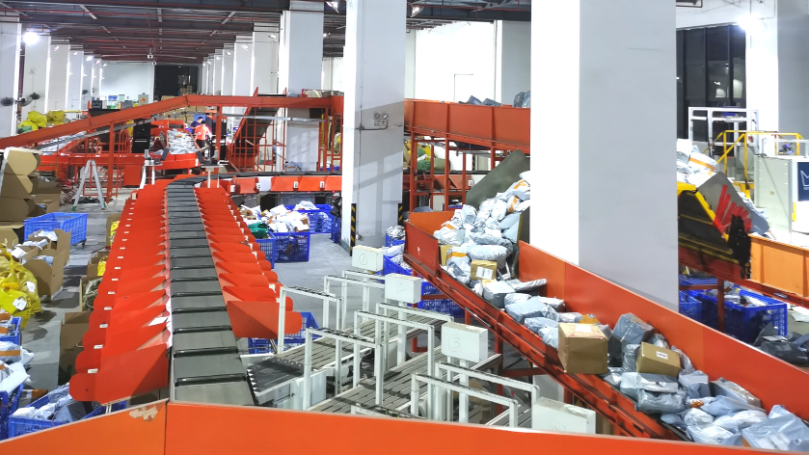
SFC operates warehousing facilities strategically located near manufacturing clusters in China and in overseas markets. This allows sellers to:
Store inventory in China pre-shipment
Pre-position inventory in regional hubs near demand
Split stock allocation across channels
By doing this, you reduce lead times and shipping costs for multichannel fulfillment.
Cross-Border Consolidation & Freight Optimization
SFC can consolidate orders from multiple SKUs or clients before shipping overseas. You benefit from:
Lower freight cost per unit
Fewer shipments to customs
Better negotiation power with carriers
This plays well with multichannel because you can batch shipments destined for multiple sales channels in target markets.
Order Fulfillment & Pick-Pack Services
Once orders come in from various channels超凡国际 can pick, pack, label, and prepare shipments customized for each channel (e.g. Amazon FBA prep, eBay packaging, D2C packaging). That means you don’t have to duplicate fulfillment infrastructure per channel.
Integration & API Connectivity
SFC offers API and software integration with major marketplaces, shopping carts, and order management systems. This enables:
Real-time order flow into SFC’s system
Inventory updates pushed back to each channel
Automated fulfillment routing
Thus超凡国际 becomes your central logistics brain across all your channels.
Strategic Advisory & Scalability
Because SFC is deeply familiar with Chinese manufacturing, global logistics routes, and channel demands, it can act as your strategic partner, advising on:
Channel prioritization
Inventory split strategies
Cost allocation models
Logistics scaling plans
As your volume grows超凡国际 can scale resources, warehousing, and shipping capacity to match.
6. Conclusion
Multichannel distribution is no longer a luxury—it’s a necessity for brands seeking scale, resilience, and global reach. Done thoughtfully, it lets you meet customers in their preferred shopping environments, diversify revenue, and build more defensible margins.
 Want to know about our services, fees or receive a custom quote?